Procurement tips to ensure full supply chain traceability
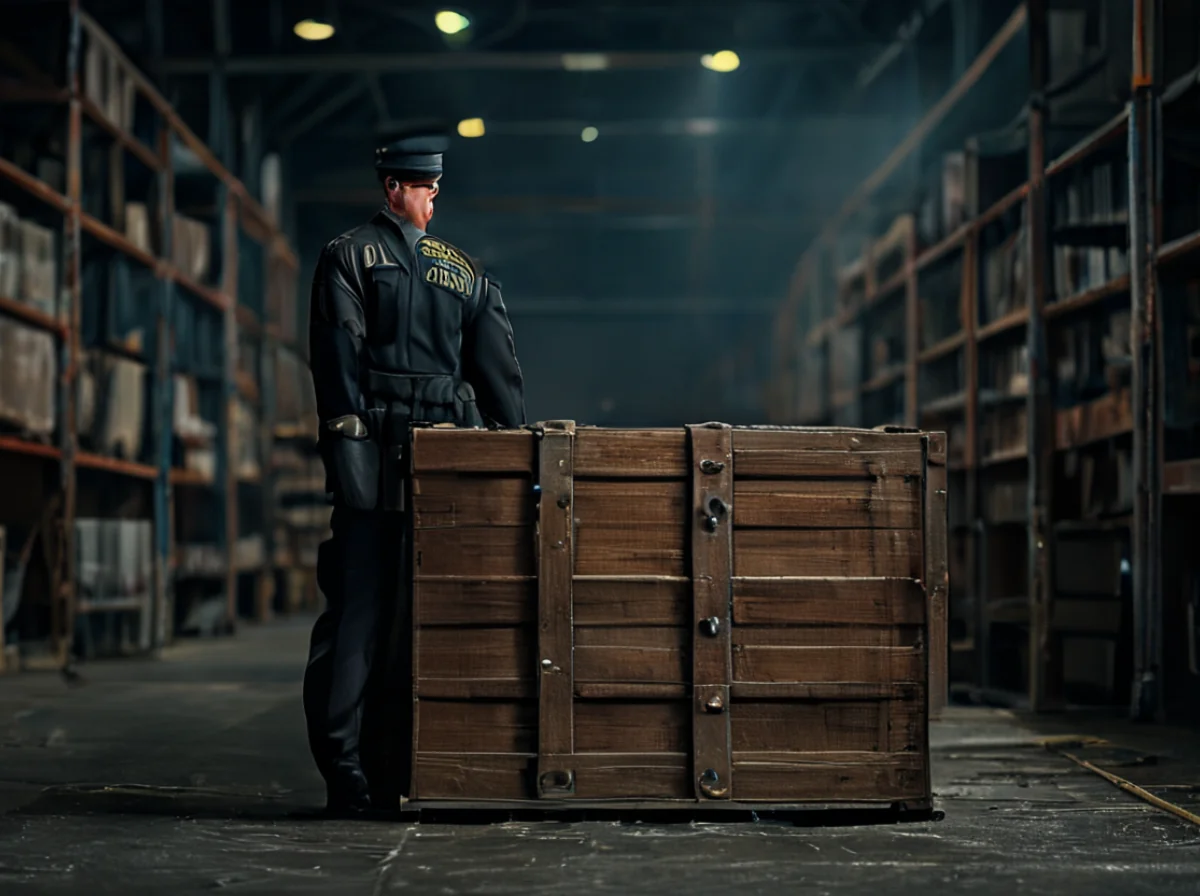
This article is about traceability. "Data without physical verification is just a collection of expensive guesses." Reliable procurement requires bridging the gap between digital spreadsheets and the actual inventory sitting on your warehouse floor to prevent costly operational failures.
* Ensure digital data matches physical reality through regular audits. * Maintain full traceability from order specifications to final delivery. * Standardize all records to ensure continuity during personnel changes. * Integrate specification, quantity, and lead-time data into a single ecosystem.

Why does inaccurate data lead to supply chain failure?
The morning sun hits the warehouse floor in Chicago, reflecting off empty pallet racks that were supposed to be full. A manager stares at a tablet showing "in stock" status, only to realize the physical reality is a desert of empty space.
Digital data that diverges from the actual situation on the ground becomes a foundation for disastrous decision-making. If your system says you have enough raw materials but the physical stock is depleted, the entire production line grinds to a halt.
This disconnect is not just a clerical error; it is a direct threat to operational continuity.
Effective procurement management requires a flexible system where field feedback is immediately reflected in the digital record. Without this real-time synchronization, you are essentially managing a phantom business.
How can you ensure full traceability for quality control?
A technician in a cleanroom pulls a defective component from an assembly line and begins a frantic search through digital folders. They need to know exactly which batch this part came from and which vendor supplied it before the entire shipment is rejected.
All purchasing data must be fully traceable to prevent quality-related catastrophes. When a specific product defect arises, you must be able to reverse-engineer the cause by looking at the exact specifications, order quantities, and delivery records from that specific window.
To achieve this, all data must be recorded using standardized forms. This ensures that when a procurement officer leaves the company, the incoming replacement can step in without losing the history of a single transaction.
What are the three pillars of successful procurement?
A shipping clerk checks a clipboard against a pile of crates at a loading dock, noting a discrepancy in the weight of a specialized steel shipment. This small error in quantity could ripple through the entire production schedule if not caught immediately.
Successful procurement management is completed when three specific elements work in perfect harmony: accurate specification setting, rational quantity calculation, and rigorous lead-time management.
If any one of these pillars is missing, the data ceases to be a strategic asset and instead becomes a source of risk.
| Pillar | Primary Function | Risk of Failure |
|---|---|---|
| Specification Setting | Defines exact quality and technical requirements | Incorrect parts that don't fit or function |
| Quantity Calculation | Determines the optimal volume of stock | Overstocking costs or stockout shortages |
| Lead-time Management | Tracks the timing of arrivals and departures | Production delays and missed deadlines |
How do you manage the relationship between quantity and lead time?
A logistics coordinator sits in a quiet office, watching a clock tick toward a deadline while waiting for a late shipment of critical sensors. The delay in delivery is not just a matter of time; it affects the entire budget for the quarter.
The interplay between how much you order and how long it takes to arrive is the most volatile part of the supply chain. Rational quantity calculation must take into account the lead times provided by vendors to ensure that "just-in-time" delivery doesn't turn into "just-too-late" disaster.
If you calculate quantities based on a perfect world where nothing is ever late, your inventory levels will always be insufficient. You must build a buffer that accounts for the reality of shipping delays and manufacturing fluctuations.

What is the role of standardized documentation in continuity?
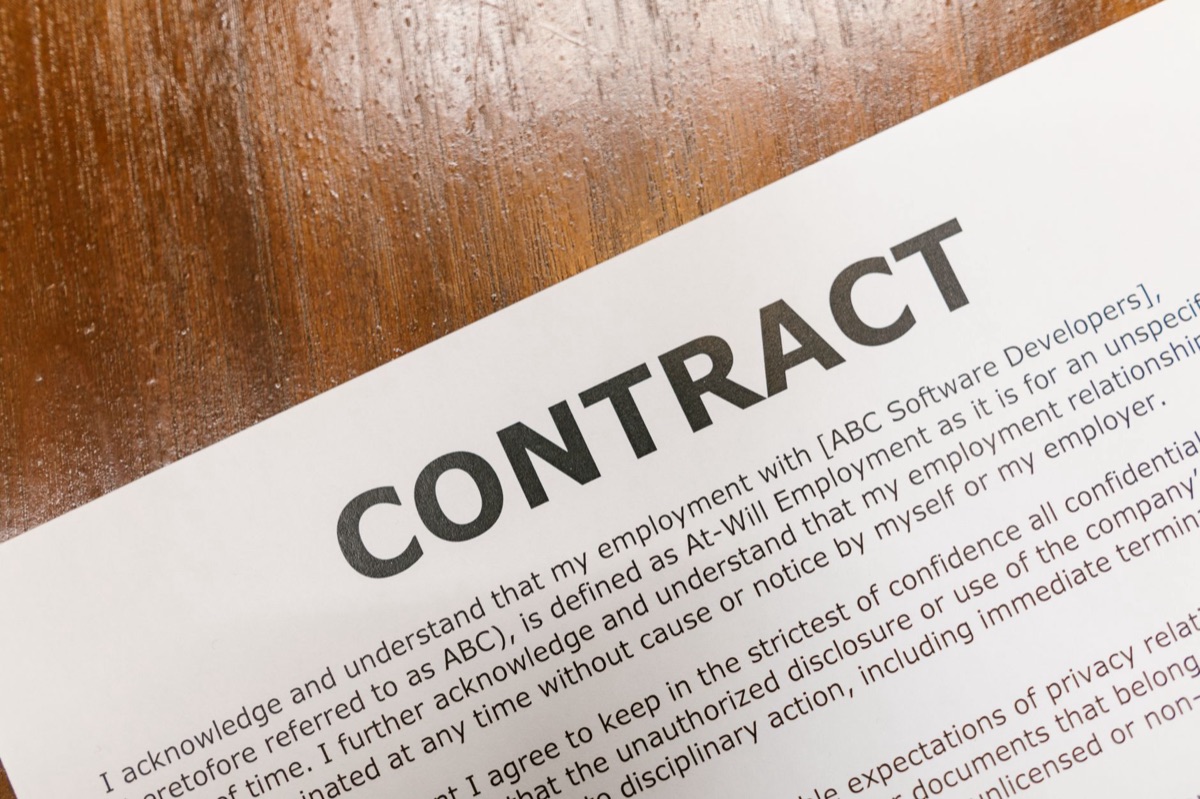
An intern pulls a thick binder from a shelf, looking for the original contract for a piece of heavy machinery. They find that the digital file is missing the specific technical addendum, leaving them unable to verify if the machine meets current safety standards.
Standardization is the only way to maintain business continuity during personnel turnover. When a department head or a procurement specialist changes roles, the history of the relationship with the vendor and the technical nuances of the products must remain accessible and understandable.
- Establish a universal template for all purchase orders and specifications. 2. Centralize all vendor communication and delivery logs in a single searchable database. 3. Conduct regular audits to ensure that digital entries match physical paperwork. 4. Cross-reference historical lead times with current ordering patterns to refine future forecasts.
I remember once standing in a distribution center in Memphis, looking at a stack of much-needed components that were logged as "delivered" in our system but were nowhere to be found on the floor. It took three days of manual reconciliation to realize a driver had dropped them at the wrong gate.
That single data error cost us a week of production.
This level of management does not apply to low-value, non-critical consumables where the cost of tracking exceeds the value of the item itself.
When I tried the steps in order, the second one is where I paused longest.
However, this does not apply in every situation.








Comments 0