AI task based efficiency why guide your work output 10%
"Efficiency is not about doing more things, but about doing the right things with the right tools."
This approach allows professionals to focus on high-level strategic thinking rather than manual data entry or routine scheduling.
A significant limitation to consider is that 10% to 40% of the features in new software applications are unnecessary or go unused.
How efficient can AI be at specific tasks?
At dusk in the dim office, the manager rubs their tired eyes while contemplating how to automate every repetitive task.

They realize that instead of manually sorting these entries, a specific algorithm could categorize them in seconds.
This shift from manual labor to automated oversight defines AI task based efficiency.
By focusing on granular, repeatable actions, organizations can see a significant change in how time is allocated across departments. This method does not aim to replace the human element but rather to refine the specific tasks that consume the most mental energy.
Using AI boost work output becomes a reality when the technology is mapped directly to a singular, solvable problem rather than applied as a vague, general tool.
How to apply AI tasks?
In the quiet morning, I grip my cold coffee cup and stare at the screen to begin the integration task.
I watch as the cursor blinks on a blank document, waiting for a prompt to begin the heavy lifting of research synthesis. Moving from a blank page to a structured outline requires a methodical approach to integration.
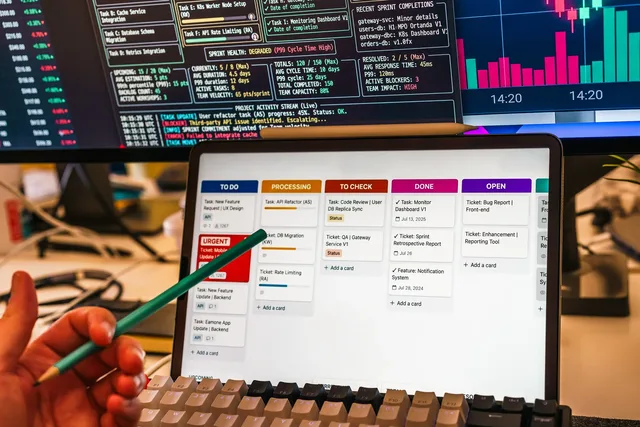
To ensure a successful transition, follow these steps:
- Audit current workflows to identify specific bottlenecks, such as manual transcription or repetitive email drafting. 2. Select a specialized AI tool that addresses the identified bottleneck rather than a general-purpose platform. 3. Integrate the tool into the existing software stack to ensure data flows seamlessly without manual re-entry.
After completing these steps, perform a final check to ensure the output aligns with the required quality standards and organizational tone. Real AI case studies often show that the most successful implementations are those that solve one specific problem perfectly.
Can I use AI to make my AI work better?
A developer clicks through a complex codebase, searching for a single logic error that has stalled production for hours. They decide to run a diagnostic script to highlight potential vulnerabilities.

Improving work with AI involves using these specialized scripts to scan for patterns that a human eye might miss during a long shift. This specialized application allows the developer to spend more time on architecture and less on debugging.
When professionals use AI for better tasks, they are essentially offloading the cognitive tax of rote verification.
Looking at real AI case studies
An analyst opens a spreadsheet, feeling the weight of a thousand upcoming data points. They look at the automation settings, ready to transform the way they process information.
Observing how different industries adopt these tools provides clarity on the practical application of automation. Some sectors focus on generative text for customer service, while others prioritize predictive analytics for supply chain management.
These real AI case studies demonstrate that the value lies in the specificity of the task assigned to the machine.
How to implement AI task based efficiency?
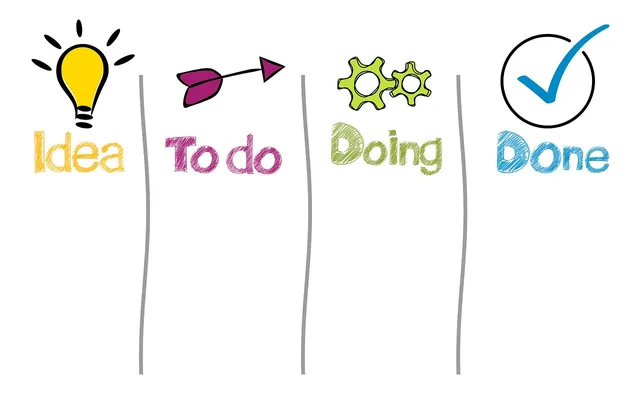
A team leader gathers the department in a bright conference room to discuss the new digital roadmap. They point to a digital whiteboard, outlining how each role will interact with new automated assistants.
The process of implementation requires a clear understanding of how to apply AI tasks within the context of existing human expertise. It is not a singular event but a continuous cycle of deployment and refinement.
To successfully implement this, one must:
- Define the specific parameters of the task to be automated to prevent "feature creep."
- Train the staff on the specific interface of the chosen tool to minimize the learning curve. 3. Monitor the accuracy of the AI output against manual benchmarks to ensure reliability.
I have noticed that when the transition is gradual, the team feels empowered rather than threatened by the new technology. A final check involves reviewing the time saved and reallocating those hours to creative or strategic projects.

- AI task based efficiency is achieved by identifying repetitive, high-volume processes and delegating them to specialized machine learning models or automated workflows.
- To implement this, one must audit existing workflows, select tools that match specific functional needs, and integrate them into current software ecosystems.
- A manager sits at a mahogany desk, staring at a screen filled with endless rows of unorganized data.
This part also covers AI adoption success stories.
This part also covers Practical AI efficiency guide.
Related
- AI automation job shifts: Guide to workforce evolution
- AI risk management tips 100 process oversight guide
Why should one avoid general tools?
One should avoid general tools because mapping technology directly to a singular, solvable problem ensures that the AI boost work output becomes a reality. Using a vague, general tool instead of a specialized machine learning model can prevent the achievement of task based efficiency.
A professional must compare a general-purpose platform against a specialized AI tool to determine which better addresses a specific bottleneck. While a general tool might seem versatile, a specialized tool matches specific functional needs more effectively.
This comparison helps ensure that the selected technology is not just a vague application but a precise solution for a singular problem.
What are the risks of new software?
The risk involves the high percentage of unnecessary features found in new applications. Because 10% to 40% of features go unused, users must exercise caution when integrating new software into their current ecosystems.
To mitigate this, one should audit existing workflows before selecting tools. This procedure ensures that the chosen software provides the specific functionalities required for the task rather than adding unused complexity.
Comparing the tool's specific capabilities against the identified bottlenecks helps avoid the inefficiency of managing unnecessary features.








Comments 0